



Activities for Seniors: Fun Ideas to Stay Active and Engaged
Finding good activities for seniors is not really about keeping someone busy from morning to night. It is about finding things they genuinely enjoy—something that gives the day a little structure, brings people together, or simply gives them a reason to look forward to the afternoon.
And there is no single “best” activity for every older adult. One person may love gardening and being outdoors. Another may be happiest with a crossword, a favorite book, or a card game at the kitchen table. Someone with limited mobility may need a completely different approach.
The ideas below cover different interests, energy levels, and living situations, so you can choose what actually fits the person rather than forcing an activity that does not.
Fun Activities for Seniors to Enjoy at Home
Staying home does not have to mean having nothing to do. Some of the simplest activities for seniors can become meaningful parts of the day.
Reading is an easy place to start. A favorite novel, biography, magazine, or audiobook can provide quiet entertainment without much preparation. If reading has become difficult because of vision changes, audiobooks or large-print books may be more comfortable.
Puzzles and games are another flexible option. Crossword puzzles, jigsaw puzzles, cards, checkers, and simple board games can be enjoyed alone or with someone else. Keep the difficulty enjoyable rather than frustrating—the point is to have fun, not pass a test.
Music can change the mood of an ordinary afternoon. Put on familiar songs, sing along, or ask an older family member to choose music from a favorite period of their life. Sometimes the conversation that follows is just as enjoyable as the music itself.
Other easy choices include:
- Cooking or baking a favorite recipe
- Looking through family photographs
- Painting, coloring, or drawing
- Knitting, quilting, or other crafts
- Watching and discussing a favorite movie
- Growing herbs or plants indoors
- Calling a friend or family member
If you want activities for seniors that focus more specifically on memory, thinking, and mental engagement, cognitive activities for seniors can provide more ideas.
Indoor Activities for Seniors Who Want to Stay Active
“Staying active” does not have to mean going to a gym or taking long walks.
Depending on a person’s abilities, gentle stretching, chair exercises, indoor walking, dancing, or simple movement routines can make physical activity feel much more approachable.
The CDC recommends that older adults choose physical activities appropriate for their abilities and health conditions.
Creative hobbies can also keep the hands and mind engaged. Try photography, crafts, painting, woodworking, gardening, or learning how to make something new.
The trick is to find activities for seniors that feel enjoyable enough to repeat. A ten-minute activity that someone looks forward to can be more useful in everyday life than an ambitious exercise plan they never want to do.
Social Activities for Seniors
For many older adults, the best part of an activity is not the activity itself. It is having someone to share it with.
A book club, walking group, choir, card group, craft circle, or community class can turn an ordinary hobby into a regular social connection. Even something as simple as meeting a friend for coffee once a week gives the day a small event to look forward to.
These types of activities for seniors can be especially valuable when an older adult is beginning to spend more time alone. The activity itself may be simple, but regular conversation and shared experiences can make it much more meaningful.
Volunteering can be another meaningful option. An older adult might help at a library, community garden, school, charity, or local event. The right volunteer role can provide both social interaction and a sense of purpose.

NIA recommends staying socially connected through relationships, hobbies, community activities, and other enjoyable pursuits.
For people who live in assisted living or other senior communities, senior living activities can be especially useful because they combine recreation with opportunities to meet other residents.
Activities for Seniors With Limited Mobility
Limited mobility changes what is practical, but it does not eliminate the possibility of having an active and enjoyable day.
There are many activities for seniors with limited mobility that can be done seated or adapted easily. Listening to music, playing cards, doing crafts, painting, photography, reading, puzzles, conversation, or caring for a small container garden can all be enjoyable options.
Some physical activities can also be adapted. Chair-based movement, gentle stretching, or other low-impact exercises may work better than activities that require standing or walking for long periods.
The most important question is not, “Can this person do the activity exactly as described?”
Instead, ask:
“How can we make this activity easier and more comfortable for them?”
A gardening project might become a few pots on a table. A walk might become time outside in a wheelchair-accessible garden. A cooking activity might involve choosing ingredients or decorating the finished dish rather than standing at the stove.
The best activities for seniors are often not about following every instruction exactly. A small adjustment can make something that once seemed difficult become enjoyable again.
If an older adult has a health condition or significant mobility limitation, their healthcare professional can help determine what types of physical activity are appropriate.
Activities for Seniors in Assisted Living or Nursing Homes
Activities in assisted living and nursing homes work especially well when they give residents a reason to interact.
Consider reading and book clubs, music sessions, trivia, card games, crafts, movie afternoons, gardening, seasonal events, cooking demonstrations, and gentle group exercise.
These activities for seniors do not all need to involve large groups, though. Some residents may prefer a quieter activity with one or two people. Giving them a choice can make participation feel much more inviting.
For someone with dementia, familiar activities are often a better starting point than something complicated or unfamiliar. Music, simple crafts, folding laundry, gardening, looking through photographs, cooking-related tasks, and visits with family can all be adapted to the person’s abilities.
NIA recommends adapting activities to a person’s interests and abilities and watching for signs of frustration or fatigue.
For more dementia-specific ideas, see activities for seniors with dementia. If the person is in a memory care setting, memory care activities may offer more targeted suggestions.
How to Choose the Right Activity
With so many possibilities, choosing an activity can sometimes be harder than actually doing it.
Start with what the person already enjoys.
Someone who has always loved plants may be delighted with a small gardening project. Someone who enjoys stories might prefer a book club or audiobook. A person who loves music may be far more interested in singing than in a traditional exercise class.
When choosing activities for seniors, it also helps to consider what they can comfortably do today. Energy, mobility, vision, hearing, and memory can all affect whether an activity feels enjoyable or exhausting.
Finally, think about whether they would rather do something alone or with other people.
There is no rule saying every activity has to be social. Quiet time can be just as valuable. What matters is giving the person choices that fit their personality and circumstances.
Frequently Asked Questions
What are some fun activities for the elderly?
Walking, gardening, music, dancing, crafts, cooking, reading, puzzles, card games, photography, volunteering, and spending time with family or friends are all popular options. The best activities for seniors depend on the person’s interests and abilities.
What do 70-year-old people do for fun?
There is no activity that is automatically right for someone because they are 70. Some enjoy travel and exercise, while others prefer gardening, books, music, games, crafts, volunteering, or spending time with family.
What are three examples of activities that are suitable for elderly individuals?
Walking, gardening, and playing cards are three simple examples. Each can be adapted to different interests and ability levels.
What do 80-year-olds do for fun at home?
Reading, listening to music, watching movies, puzzles, crafts, cooking, gardening, video calls, card games, and organizing photographs can all be enjoyable at home.
Final Thoughts
The best activities for seniors are not necessarily the newest, most complicated, or most impressive ones. They are the activities that fit the person.
A short walk can provide movement. A book club can provide connection. Gardening can create a sense of purpose. Music can bring back familiar memories. A simple card game can turn an ordinary afternoon into shared time.
Start with one thing the person is likely to enjoy. Make it manageable, see how they respond, and adjust from there.
The goal is not simply to keep an older adult occupied. It is to create more opportunities for movement, connection, creativity, purpose, and enjoyment—in whatever way feels right for them.
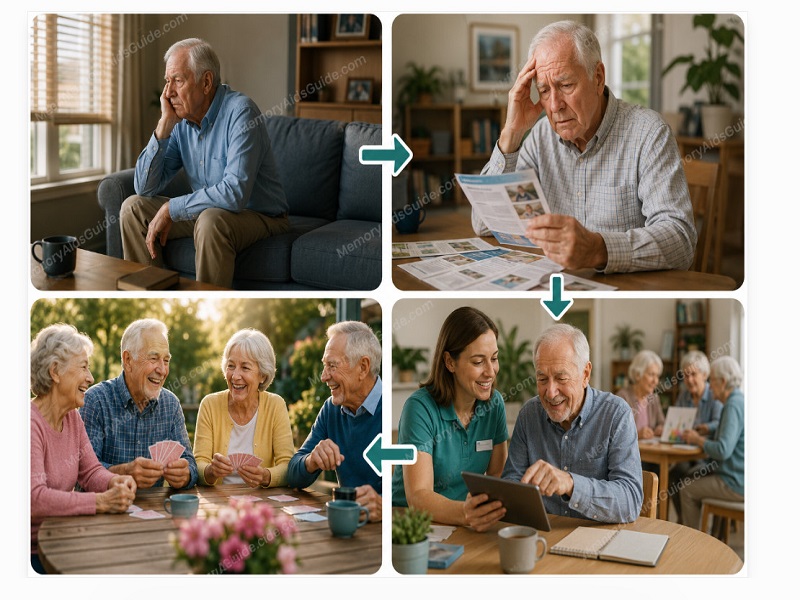
Looking Beyond Everyday Activities
The best activities can do more than simply fill the hours. They can bring movement, connection, enjoyment, and mental stimulation into everyday life.
But there is no single approach that works for everyone. Some people enjoy puzzles or reading. Others prefer music, conversation, movement, or different ways of supporting mental focus as part of their daily routine.
If you’re curious about another simple approach to mental engagement that takes just a few minutes a day, you can explore it here.